

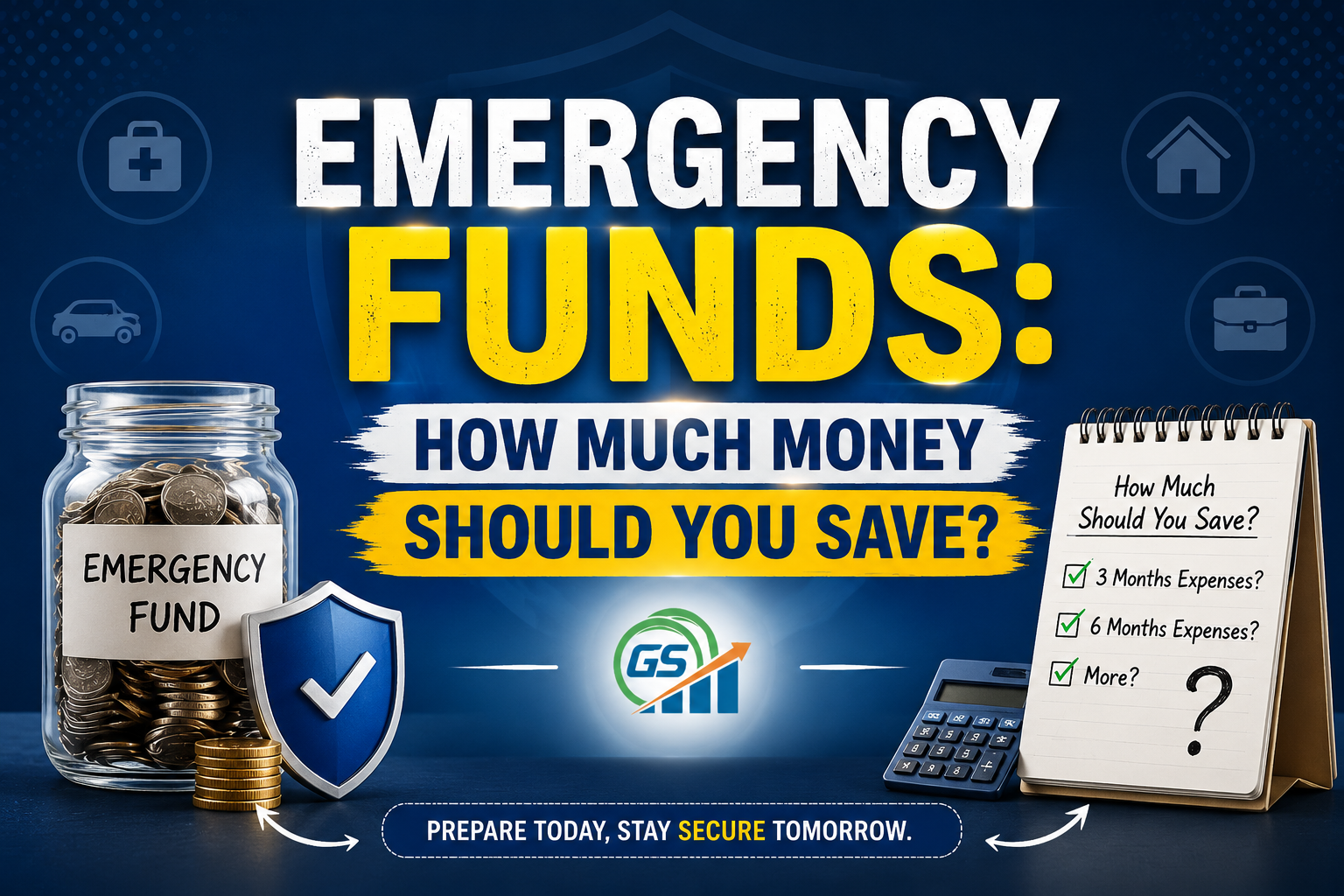
Life is unpredictable. Whether it’s a sudden medical expense, job loss, car repair, or unexpected home maintenance, financial emergencies can happen when you least expect them. That’s why having an emergency fund is one of the most important steps toward achieving financial security.
But the question many people ask is: How much money should you save in your emergency fund?
Let’s explore the answer.
What Is an Emergency Fund?
An emergency fund is a dedicated savings reserve set aside specifically for unexpected expenses or financial hardships. It acts as a financial safety net, helping you avoid debt and maintain stability during difficult times.
Emergency funds should only be used for genuine emergencies, such as:
- Medical emergencies
- Job loss or reduction in income
- Major home repairs
- Vehicle repairs
- Family emergencies
- Unexpected travel expenses
Why Is an Emergency Fund Important?
Without emergency savings, many people rely on credit cards, personal loans, or borrowing from friends and family when unexpected expenses arise. This can create additional financial stress and long-term debt.
Benefits of having an emergency fund include:
- Financial peace of mind
- Reduced dependence on debt
- Better financial stability
- Protection during income disruptions
- Ability to handle unexpected expenses confidently
How Much Should You Save?
The General Rule: 3 to 6 Months of Expenses
Financial experts commonly recommend saving enough to cover three to six months of essential living expenses.
These expenses may include:
- Rent or home loan EMI
- Utility bills
- Groceries
- Insurance premiums
- Transportation costs
- School fees
- Essential healthcare expenses
Example Calculation
Suppose your monthly essential expenses are:
| Expense | Monthly Cost |
|---|---|
| Home Loan EMI | ₹15,000 |
| Groceries | ₹8,000 |
| Utilities | ₹3,000 |
| Transportation | ₹4,000 |
| Insurance | ₹2,000 |
| Other Essentials | ₹8,000 |
| Total | ₹40,000 |
For this household:
- 3-Month Emergency Fund = ₹1,20,000
- 6-Month Emergency Fund = ₹2,40,000
This amount can provide financial security during unexpected situations.
Factors That Affect Your Emergency Fund Goal
1. Job Stability
If you have a stable government or long-term corporate job, a 3-6 month fund may be sufficient.
If you’re self-employed, a freelancer, or a business owner, consider saving 6-12 months of expenses due to income fluctuations.
2. Number of Dependents
Families with children or elderly parents may require a larger emergency fund because of increased responsibilities and potential medical expenses.
3. Health Conditions
If someone in your family has ongoing medical needs, it’s wise to maintain additional emergency savings beyond the standard recommendation.
4. Existing Debt
Individuals with significant loan obligations should build a larger emergency reserve to avoid missing payments during financial disruptions.
Where Should You Keep Your Emergency Fund?
Your emergency fund should be:
- Easily accessible
- Safe
- Separate from daily spending accounts
Good options include:
- High-interest savings accounts
- Fixed deposits with liquidity options
- Sweep-in accounts
- Money market funds
Avoid investing your emergency fund in high-risk assets such as stocks or cryptocurrencies, as their value can fluctuate significantly when you need the money most.
How to Build an Emergency Fund Faster
Start Small
Don’t wait until you can save a large amount. Begin with a goal of ₹10,000 to ₹25,000 and gradually increase it.
Automate Savings
Set up automatic monthly transfers to a dedicated emergency savings account.
Reduce Non-Essential Spending
Identify areas where you can cut expenses, such as dining out, subscriptions, or impulse purchases.
Use Bonuses and Windfalls
Consider allocating tax refunds, bonuses, incentives, or gifts directly to your emergency fund.
Common Mistakes to Avoid
- Using emergency savings for vacations or shopping
- Keeping emergency funds in risky investments
- Not updating the fund as expenses increase
- Waiting for the “perfect time” to start saving
Final Thoughts
An emergency fund is not just a savings account—it’s financial protection for you and your family. While the ideal amount varies based on your lifestyle and responsibilities, aiming for three to six months of essential expenses is a strong starting point.
Building an emergency fund takes time, but every contribution brings you closer to financial confidence and peace of mind. Start today, stay consistent, and create a financial cushion that protects you from life’s unexpected challenges.
Need Help Creating a Financial Plan?
At GS Financial Services, we help individuals and families build strong financial foundations through smart budgeting, savings strategies, insurance planning, and wealth management solutions. Contact us today to take control of your financial future.