
Introduction
Getting your first credit card is an important step toward building a strong financial future. A credit card can help you make purchases conveniently, build your credit history, earn rewards, and handle unexpected expenses. However, choosing and applying for your first credit card can feel overwhelming if you’re new to the world of credit.
This guide will walk you through everything you need to know about applying for your first credit card, from understanding eligibility requirements to getting approved and using your card responsibly.
What Is a Credit Card?
A credit card is a financial tool that allows you to borrow money from a bank or financial institution up to a specific limit. You can use this borrowed money to make purchases, pay bills, or shop online, and then repay the amount later.
Unlike a debit card, which uses money directly from your bank account, a credit card provides short-term credit that must be repaid according to the billing cycle.
Why Get Your First Credit Card?
There are several benefits to owning a credit card:
1. Build Your Credit History
A good credit history is essential for future loans, mortgages, and financial opportunities.
2. Earn Rewards
Many credit cards offer cashback, reward points, travel benefits, and discounts.
3. Emergency Financial Support
Credit cards can provide temporary financial assistance during emergencies.
4. Secure Online Payments
Credit cards are widely accepted for online shopping and subscription services.
5. Financial Flexibility
You can manage larger purchases and pay them off over time if necessary.
Check If You Are Eligible
Before applying, make sure you meet the basic eligibility criteria.
Most banks require:
- Minimum age of 18 years
- Valid identity proof
- Proof of income or employment
- Residential address proof
- Active bank account
- Good financial standing
Students and young professionals can also apply for student credit cards or secured credit cards.
Step 1: Determine Your Needs
Not all credit cards are the same. Ask yourself:
- Do you want cashback rewards?
- Are you a frequent traveler?
- Do you shop online often?
- Do you need a low annual fee card?
- Do you want to build your credit score?
Your spending habits should determine which card is right for you.
Step 2: Compare Different Credit Cards
Before applying, compare multiple credit card options.
Look at:
Annual Fee
Some cards are free while others charge yearly fees.
Interest Rate
Lower interest rates can save money if you carry a balance.
Rewards Program
Compare cashback percentages, reward points, and travel benefits.
Welcome Offers
Many banks provide joining bonuses and promotional rewards.
Credit Limit
Understand the spending limit offered by different cards.
Step 3: Check Your Credit Score
Your credit score plays a major role in approval.
Generally:
- 750+ = Excellent
- 700-749 = Good
- 650-699 = Fair
- Below 650 = Limited approval chances
If you don’t have a credit history, consider applying for beginner-friendly or secured credit cards.
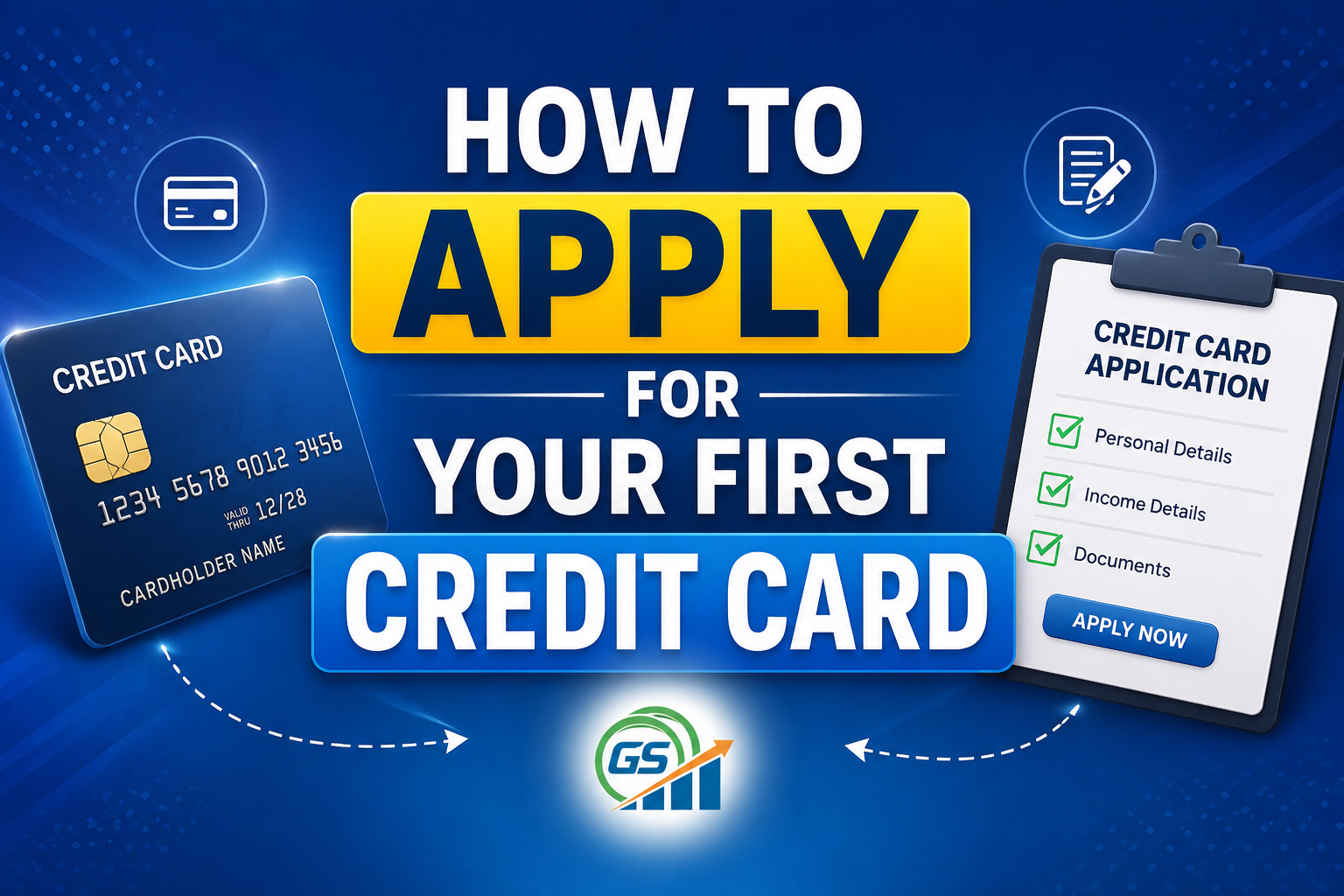
Step 4: Gather Required Documents
Most banks require:
Identity Proof
- Aadhaar Card
- Passport
- Driving License
Address Proof
- Utility Bills
- Aadhaar Card
- Rental Agreement
Income Proof
- Salary Slips
- Bank Statements
- Income Tax Returns
Passport Size Photograph
Required by some banks during application.
Keep digital copies ready if applying online.
Step 5: Apply Online or Offline
Online Application
- Visit the bank’s website.
- Choose the desired credit card.
- Fill in the application form.
- Upload required documents.
- Submit the application.
Offline Application
- Visit a bank branch.
- Meet a representative.
- Complete the application form.
- Submit documents.
- Wait for verification.
Online applications are usually faster and more convenient.
Step 6: Complete Verification
The bank may perform:
- Identity verification
- Employment verification
- Address verification
- Income verification
Some banks may contact you by phone or request additional documentation.
Step 7: Wait for Approval
Approval times vary by bank.
Typical timelines:
- Instant approval: Within minutes
- Standard approval: 2–7 business days
- Physical card delivery: 5–15 days
You can track your application status through the bank’s website or mobile app.
Common Reasons Credit Card Applications Get Rejected
Avoid these mistakes:
Incorrect Information
Providing inaccurate details can lead to rejection.
Low Income
Some cards have minimum income requirements.
Poor Credit Score
A low score may reduce approval chances.
Multiple Applications
Applying for several cards simultaneously can negatively affect approval.
Missing Documents
Incomplete applications often get delayed or rejected.
Tips for First-Time Credit Card Users
Pay Bills on Time
Always pay before the due date.
Keep Utilization Low
Try to use less than 30% of your available credit limit.
Avoid Minimum Payments
Pay the full balance whenever possible.
Monitor Transactions
Regularly review statements for unauthorized activity.
Understand Fees
Know about annual fees, late payment charges, and interest rates.
How Credit Cards Help Build Credit
Using a credit card responsibly helps establish a positive credit history.
Factors that improve your credit score include:
- On-time payments
- Low credit utilization
- Long credit history
- Responsible borrowing habits
A strong credit score can help you qualify for future loans at better interest rates.
Conclusion
Applying for your first credit card is a significant financial milestone. By researching your options, understanding eligibility requirements, comparing benefits, and using the card responsibly, you can build a strong credit foundation and enjoy the many advantages credit cards offer.
Take your time, choose a card that matches your lifestyle, and always practice responsible credit management. Your first credit card can become a valuable tool for achieving long-term financial success.