

Introduction
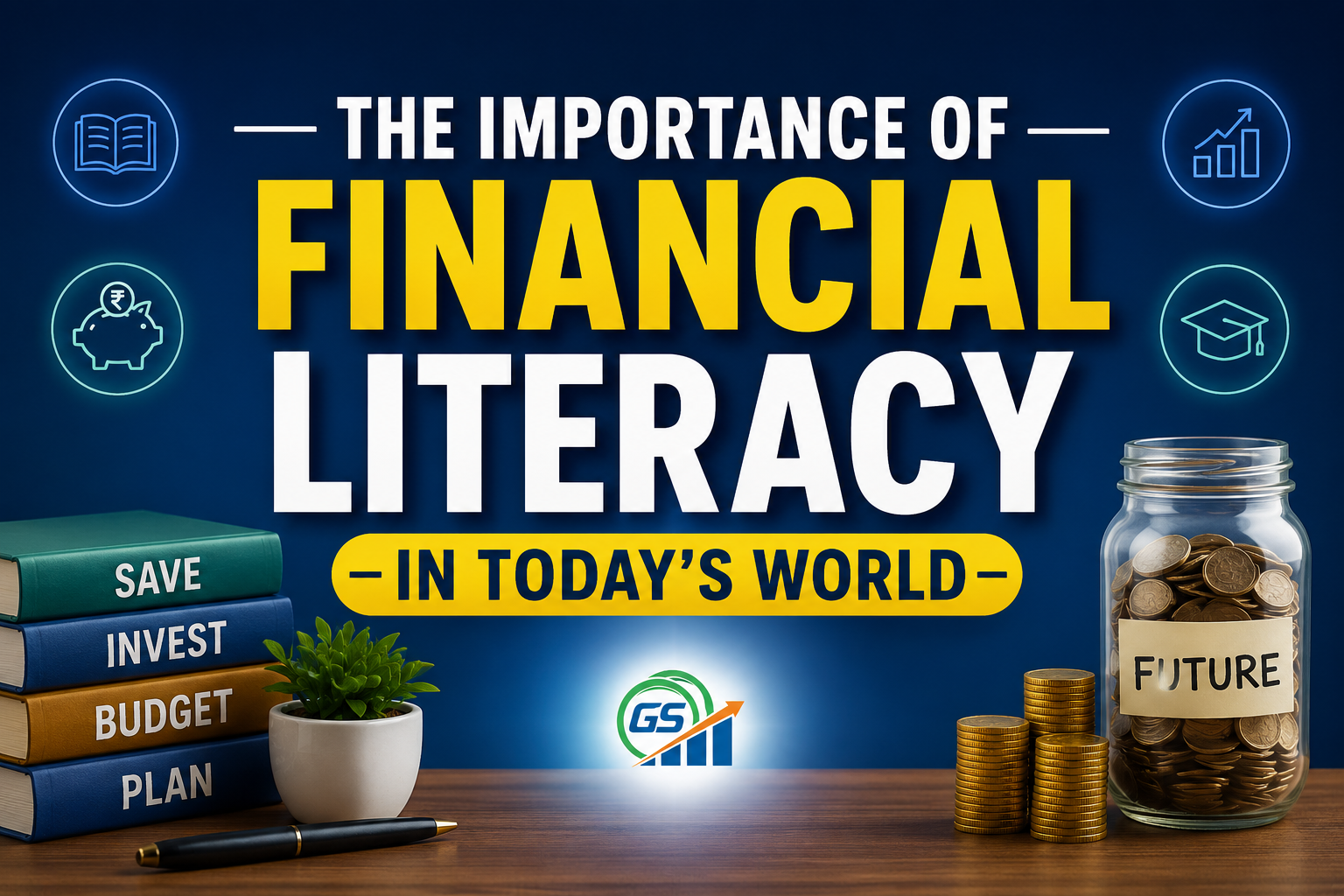
In today’s fast-paced and increasingly complex financial environment, understanding how money works is more important than ever. From managing daily expenses and saving for future goals to investing wisely and avoiding debt, financial literacy plays a critical role in achieving financial stability and success.
Unfortunately, many people struggle with basic financial concepts, leading to poor financial decisions that can impact their quality of life. This is why financial literacy has become an essential life skill in the modern world.
What is Financial Literacy?
Financial literacy refers to the ability to understand and effectively manage various aspects of personal finance. It includes knowledge of:
- Budgeting and expense management
- Saving and emergency funds
- Banking and financial services
- Credit scores and credit management
- Loans and debt management
- Investments and wealth creation
- Insurance and risk management
- Retirement planning
A financially literate person can make informed decisions about money and use financial products responsibly.
Why Financial Literacy Matters
1. Helps You Manage Money Effectively
One of the biggest benefits of financial literacy is learning how to manage your money wisely. Understanding income, expenses, and savings helps individuals create realistic budgets and avoid unnecessary spending.
When people know where their money is going, they are more likely to make better financial decisions and stay on track with their financial goals.
2. Reduces Financial Stress
Money-related stress is one of the most common challenges faced by individuals and families. Financial literacy helps people understand how to handle financial challenges, prepare for emergencies, and avoid debt traps.
Having a clear financial plan provides peace of mind and reduces anxiety about unexpected expenses.
3. Encourages Saving Habits
Financial literacy teaches the importance of saving regularly. Whether it’s building an emergency fund, saving for education, purchasing a home, or planning for retirement, consistent saving is the foundation of financial security.
Experts recommend maintaining an emergency fund that covers at least three to six months of living expenses.
4. Helps Avoid Debt Problems
Many people fall into debt because they do not fully understand interest rates, loan terms, or credit card charges. Financial literacy helps individuals make informed borrowing decisions and manage debt responsibly.
By understanding how loans and credit work, people can avoid excessive debt and maintain healthy financial habits.
5. Improves Investment Decisions
Investing is one of the most effective ways to grow wealth over time. However, investing without knowledge can lead to costly mistakes.
Financial literacy helps individuals understand:
- Different investment options
- Risk and return relationships
- Diversification strategies
- Long-term wealth-building techniques
This knowledge enables smarter investment decisions and better financial outcomes.
6. Prepares for Financial Emergencies
Unexpected situations such as medical emergencies, job loss, economic downturns, or natural disasters can significantly impact finances.
Financially literate individuals are more likely to:
- Maintain emergency funds
- Have adequate insurance coverage
- Plan for unexpected expenses
Preparation reduces the financial impact of unforeseen events.
7. Supports Long-Term Financial Goals
Whether it’s buying a house, starting a business, funding children’s education, or retiring comfortably, financial literacy helps people create and follow a roadmap toward their goals.
Understanding financial planning allows individuals to make strategic decisions that align with their future objectives.
Financial Literacy in the Digital Age
Technology has transformed the way we manage money. Today, people use:
- Online banking
- Mobile payment apps
- Digital wallets
- Investment platforms
- Credit and loan apps
While these tools provide convenience, they also require financial knowledge. Financial literacy helps users evaluate financial products, avoid scams, and use technology safely and effectively.
The Impact of Financial Literacy on Society
Financial literacy benefits not only individuals but also society as a whole.
A financially educated population contributes to:
- Higher savings rates
- Increased investments
- Lower debt levels
- Stronger economic growth
- Improved financial stability
When people make informed financial decisions, communities become more financially resilient.
Key Financial Literacy Skills Everyone Should Learn
Budgeting
Learn how to track income and expenses to maintain financial control.
Saving
Develop the habit of setting aside money regularly for future needs.
Investing
Understand how investments work and how they can help build wealth.
Credit Management
Learn how credit scores work and how to maintain good credit health.
Insurance Planning
Protect yourself and your family from financial risks.
Retirement Planning
Start planning early to ensure long-term financial security.
How to Improve Your Financial Literacy
Here are some practical ways to become financially literate:
Read Financial Books and Blogs
Follow trusted financial websites, blogs, and educational resources.
Attend Financial Workshops
Participate in seminars, webinars, and financial education programs.
Learn from Experts
Seek guidance from financial advisors and professionals.
Use Budgeting Tools
Take advantage of apps and tools that help manage money effectively.
Stay Updated
Financial products and regulations change over time. Continuous learning is essential.
Common Financial Mistakes Caused by Lack of Financial Literacy
- Living beyond your means
- Not having an emergency fund
- Excessive credit card debt
- Ignoring retirement planning
- Investing without research
- Failing to compare financial products
- Not understanding loan terms
- Delaying financial planning
Avoiding these mistakes can significantly improve financial well-being.
Conclusion
Financial literacy is no longer optional—it is a necessity in today’s world. The ability to understand and manage money effectively can lead to greater financial security, reduced stress, and improved quality of life.
Whether you are a student, working professional, entrepreneur, or retiree, investing time in financial education can help you make smarter decisions and achieve your financial goals. By improving financial literacy, individuals can build a stronger financial future for themselves and their families.
At GS Financial Services, we believe that financial knowledge is the foundation of financial success. The more you learn about money management, saving, investing, and financial planning, the better equipped you will be to navigate today’s financial world with confidence.