
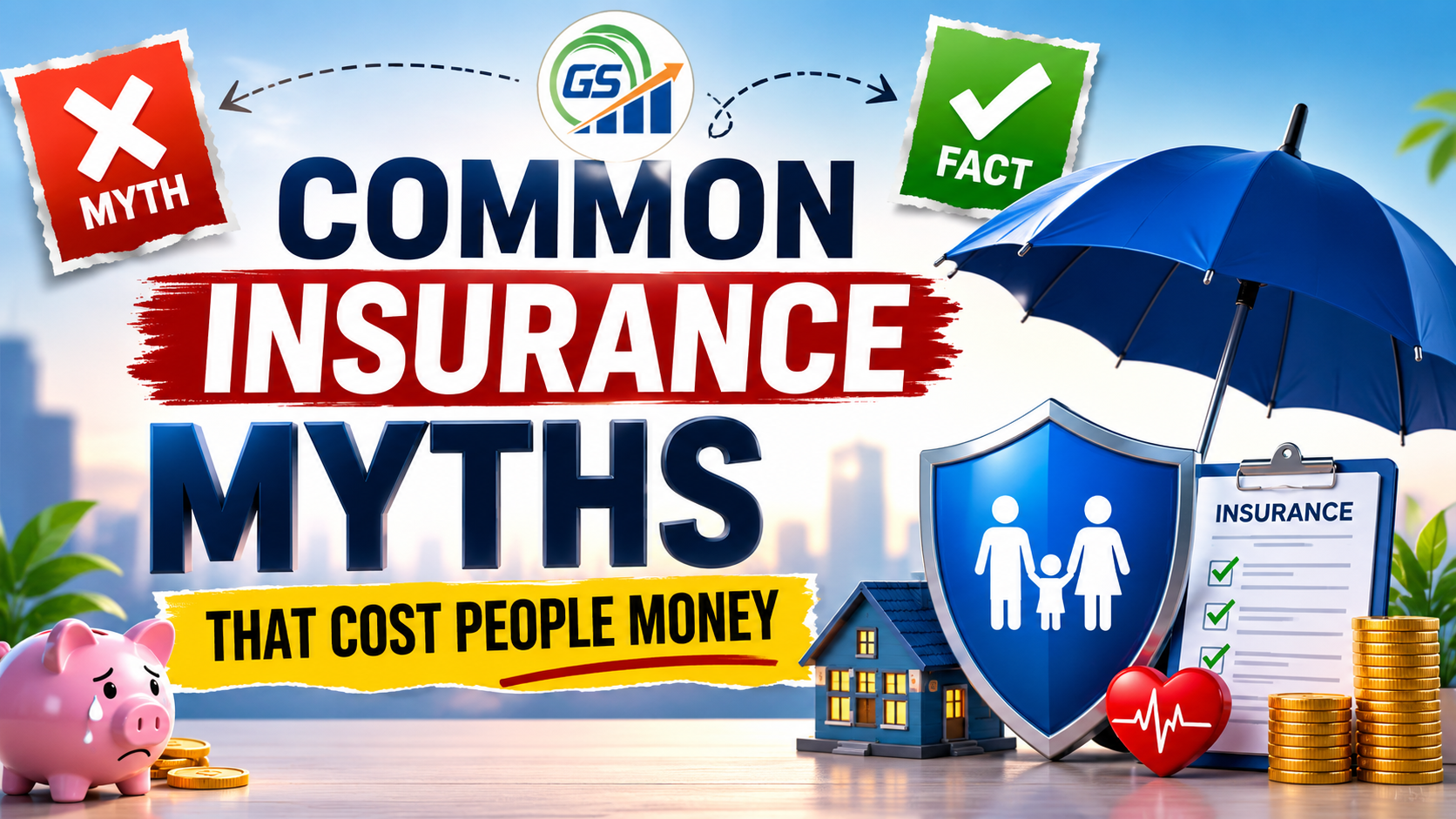
Insurance is one of the most important financial tools available today, yet many people avoid buying adequate coverage because of common misconceptions. These myths can lead to poor financial decisions, leaving individuals and families vulnerable when unexpected events occur.
Let’s explore some of the most common insurance myths and uncover the truth behind them.
Myth #1: Insurance Is Too Expensive
One of the biggest reasons people avoid insurance is the belief that it’s unaffordable. In reality, many insurance plans are designed to fit different budgets and financial needs.
The cost of not having insurance can be significantly higher. A medical emergency, accident, or property loss can create financial burdens that far exceed the cost of monthly premiums.
The Truth: Insurance is an investment in financial protection, and affordable options are available for most individuals and families.
Myth #2: I’m Young and Healthy, So I Don’t Need Insurance
Many young adults believe insurance is only necessary later in life. However, accidents and illnesses can happen at any age.
Additionally, purchasing insurance while you’re young and healthy often means lower premiums and easier approval.
The Truth: The best time to buy insurance is before you need it.
Myth #3: My Employer’s Insurance Coverage Is Enough
Employer-sponsored insurance can be valuable, but it may not provide complete protection. Coverage limits, exclusions, and lack of portability can leave gaps in your financial security.
If you change jobs or lose employment, you may also lose your insurance benefits.
The Truth: Employer coverage should be viewed as a foundation, not a complete insurance strategy.
Myth #4: Health Insurance Covers All Medical Expenses
Many policyholders assume their health insurance will pay for every medical bill. Unfortunately, most policies include deductibles, co-payments, waiting periods, exclusions, and coverage limits.
Failing to understand these details can result in unexpected out-of-pocket expenses.
The Truth: Always review your policy’s terms, exclusions, and coverage limits carefully.
Myth #5: Life Insurance Is Only for People with Dependents
Even if you don’t have a spouse or children, life insurance can still provide benefits. It can help cover debts, funeral expenses, and financial obligations that may otherwise burden your family.
Certain life insurance policies can also serve as long-term financial planning tools.
The Truth: Life insurance can be beneficial at various stages of life, not just for parents.
Myth #6: Filing a Claim Is Too Difficult
Some people avoid purchasing insurance because they believe claims are complicated and rarely approved.
While documentation is important, modern insurers have simplified claims processes through digital applications, online tracking, and customer support services.
The Truth: Most claims are processed efficiently when policyholders provide accurate information and required documents.
Myth #7: Cheaper Policies Always Save Money
Choosing the lowest premium may seem like a smart financial decision, but it can result in inadequate coverage when you need it most.
A cheaper policy may have lower coverage limits, more exclusions, or higher deductibles.
The Truth: The value of insurance lies in the protection it provides, not just the premium cost.
Myth #8: Insurance Is a Waste of Money If I Never Use It
Many people view insurance as an unnecessary expense if they never file a claim. However, insurance exists to protect against financial risks that could otherwise be devastating.
Just as you hope never to use a fire extinguisher, you still keep one available for emergencies.
The Truth: Insurance provides peace of mind and financial security, even when no claims are made.
How to Make Better Insurance Decisions
Before purchasing any policy:
- Assess your financial risks.
- Compare multiple insurance providers.
- Understand policy exclusions and limitations.
- Review coverage amounts carefully.
- Consult a financial advisor if needed.
- Reassess your coverage periodically as your life changes.
Final Thoughts
Insurance myths can lead to costly mistakes that impact your financial well-being. By understanding the facts and making informed decisions, you can protect yourself and your loved ones from unexpected financial hardships.
The right insurance policy is not just an expense—it’s a crucial part of a strong financial plan. Taking the time to understand your options today can save you significant money and stress in the future.